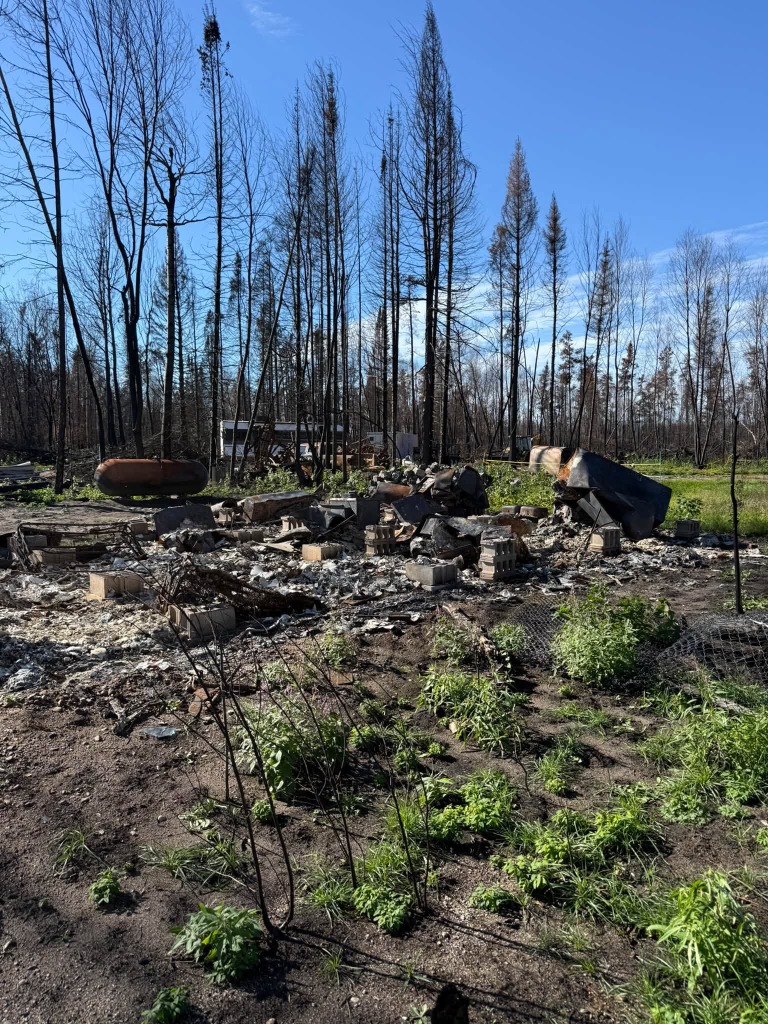
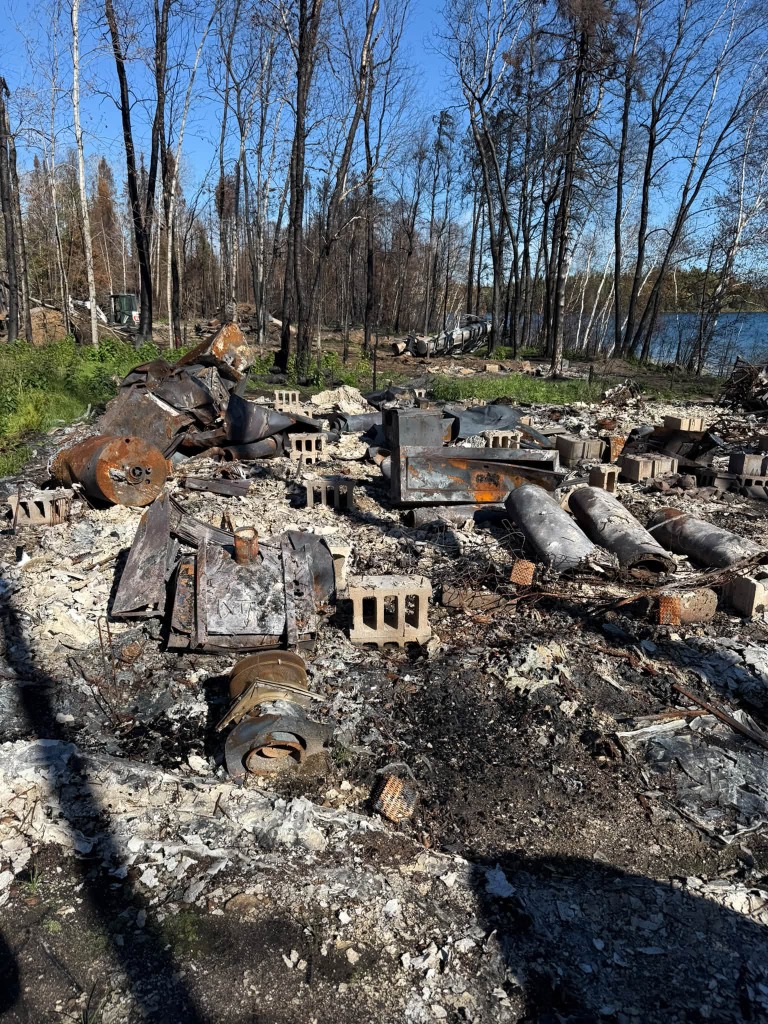
When crews were able to return to the fire-affected area, the scale of the damage became clear. Properties had been heavily impacted, debris remained across affected lots, and families were facing the difficult process of rebuilding. For our team, the immediate priority was straightforward: help create a clean, workable starting point for what comes next.
Floats N Tows has been supporting the cleanup and site preparation process by bringing in the trucks, heavy equipment, and hauling capacity required to clear damaged properties and prepare them for reconstruction across Northwestern Ontario.
The First Step Toward Rebuilding
Before rebuilding can begin, a fire-damaged property must first be made safe, accessible, and ready for construction. That can involve removing damaged materials, clearing debris, moving heavy machinery onto the site, excavating affected areas, and preparing the ground for future work.
No two properties are exactly the same. The amount of damage, site access, remaining structures, terrain, and rebuilding plans can all affect how the cleanup needs to be approached. That is why the work begins with understanding what the property requires and making sure the right equipment is on site.
Moving Heavy Equipment Into the Site
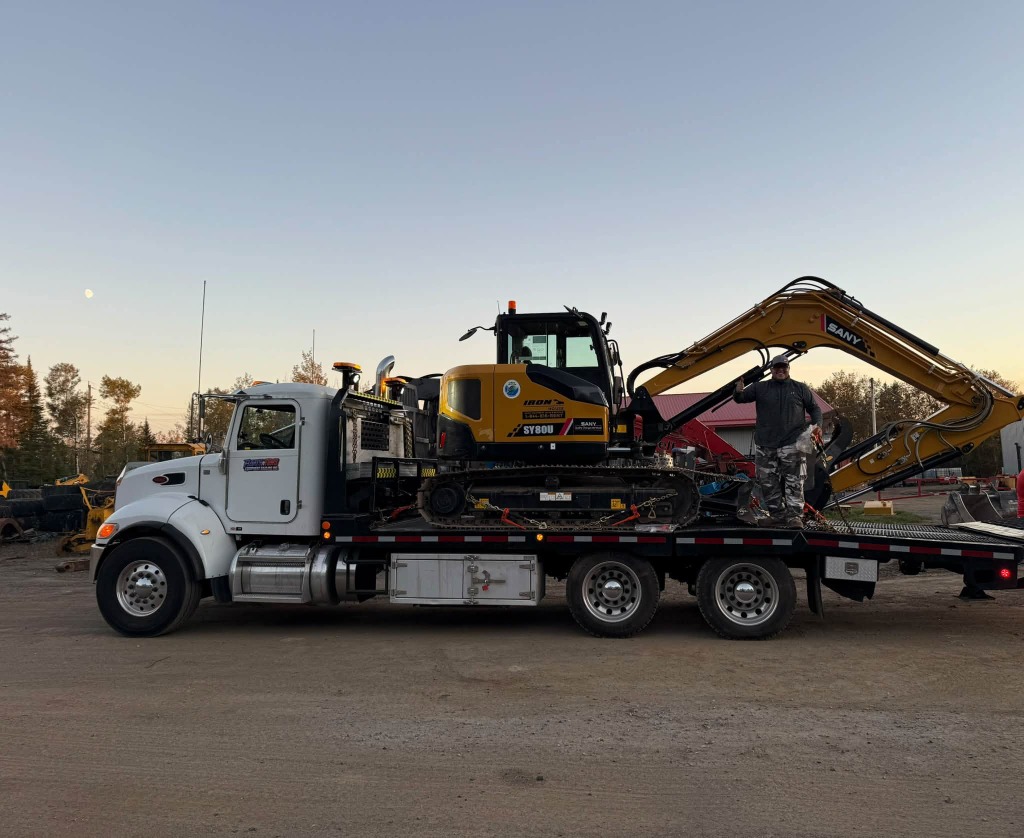
Cleanup projects of this size often require excavators, loaders, and other heavy machinery. Using float and lowboy trucks, equipment can be transported directly to the work area and positioned where it is needed.
This is an important part of the process, particularly on larger or more remote projects where access can be difficult and equipment movement needs to be carefully coordinated. Having the ability to handle heavy equipment transportation alongside site work also helps keep projects moving without unnecessary delays between contractors.
Clearing Fire-Damaged Properties
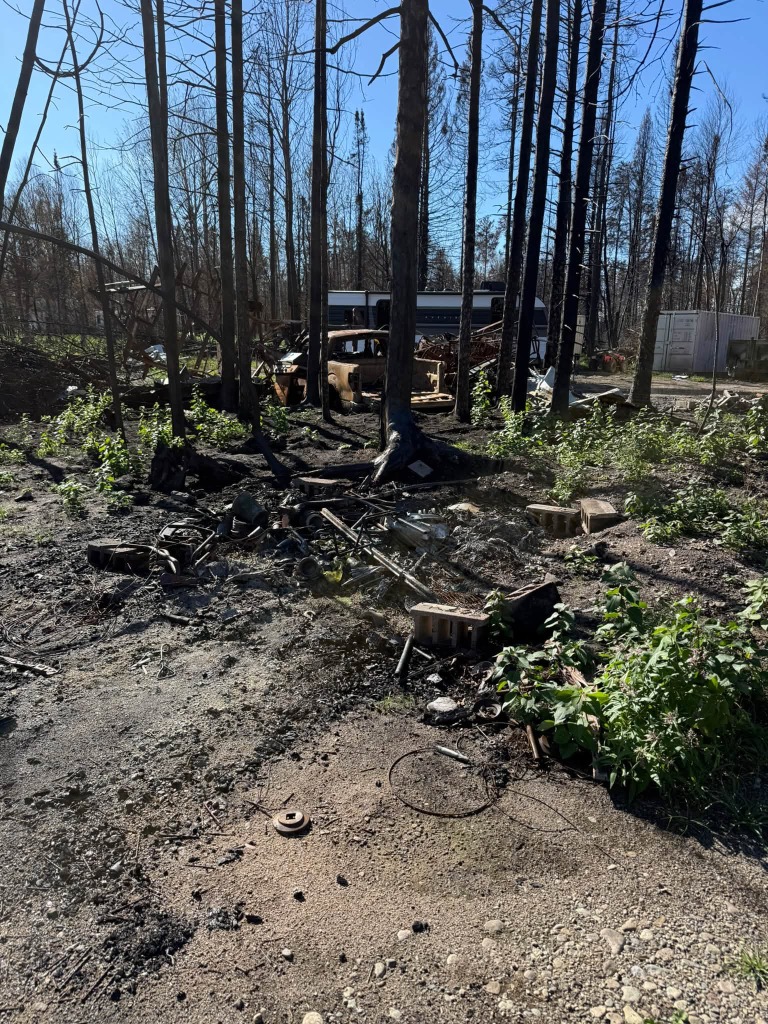
Once the equipment is in place, cleanup can begin. Fire-damaged properties may contain a mixture of burned building materials, metal, concrete, lumber, vegetation, scrap, and other debris that needs to be removed before reconstruction can move forward.
The goal is not simply to clear the property. It is to leave behind a site that is ready for the next stage of work. Depending on the condition of the property, that can include:
-
Removing damaged structures and debris: Controlled takedown of compromised framing, scorched roof trusses, and unsafe standing structures.
-
Clearing burned and unstable material: Extracting unstable ash layers, charred trees, and hazardous structural waste.
-
Loading and hauling debris from the site: Systematic loading into heavy dump trucks and high-capacity roll-off containers for responsible disposal.
-
Excavating damaged areas: Digging out contaminated subgrade soil, ruined footings, and cracked concrete slabs.
-
Removing unsuitable material: Stripping out unstable organic burn residue and debris down to stable base ground.
-
Preparing access for construction equipment: Clearing and stabilizing wide access pathways, turnarounds, and haul routes for delivery trucks and trades.
-
Cleaning and organizing the lot for future work: Establishing a clean, safe, and well-organized perimeter ready for new foundations and construction.
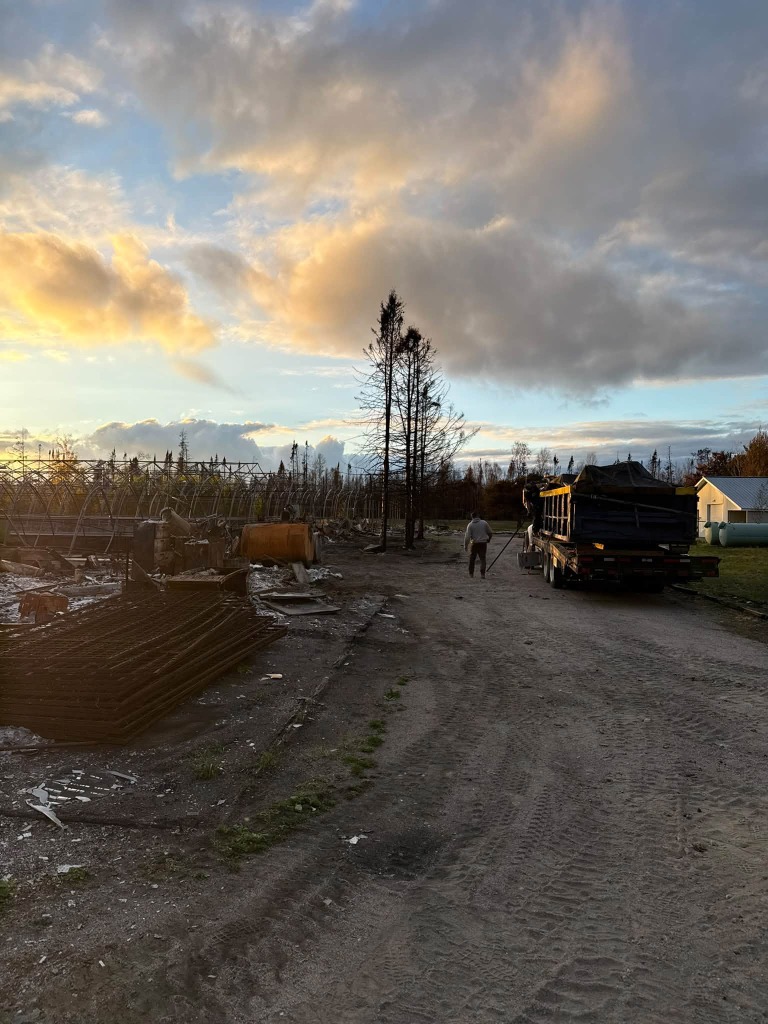
Dump trucks, roll-off bins, and other hauling equipment can also be used to move debris and material away from the property efficiently.
Preparing the Ground for Reconstruction
Once the damaged material has been removed, the focus shifts from cleanup to site preparation. This stage may include excavation, grading, aggregate placement, fill, and building pad preparation depending on what is required for the rebuild.
Proper site preparation matters because everything that follows depends on the condition of the ground beneath it. A well-prepared property gives builders and other trades a better starting point and helps the reconstruction process move more efficiently.
For some sites, the work may involve simple grading and cleanup. For others, more extensive excavation and preparation may be required before rebuilding can begin.
From Cleanup Site to Construction Site
One of the most noticeable changes happens when a property begins to transition from a damaged site into a construction site:
- ✓ Debris is removed.
- ✓ Equipment gains better access.
- ✓ The lot is cleared.
- ✓ The ground is prepared.
That progress can seem small compared with the amount of work still ahead, but it represents an important step in the rebuilding process.
"For the families and communities affected by wildfire, every cleared property is one step closer to moving forward."
Supporting Northwestern Ontario Communities
Wildfires affect far more than individual buildings. They can disrupt families, businesses, transportation, infrastructure, and entire communities. The cleanup and reconstruction process takes time, and it involves many different people and organizations working together.
Our role is only one part of that larger effort, but it is one we take seriously. By providing heavy equipment hauling, cleanup support, excavation, grading, and site preparation, Floats N Tows helps move affected properties from damage toward reconstruction.
Seeing the aftermath of a fire is difficult. Seeing those same properties begin to be cleared and prepared for rebuilding is a reminder of the resilience of communities across Northwestern Ontario.
Heavy Equipment and Site Services Across Northwestern Ontario
In addition to fire-damaged property cleanup, Floats N Tows supports commercial, industrial, construction, and remote projects throughout Northwestern Ontario. Our comprehensive capabilities include:
Having access to both site equipment and transportation allows projects to be coordinated from the moment machinery needs to be moved to the site through cleanup and preparation for the next phase of construction.
A Fresh Start Begins With a Clean Site
The path from fire damage to rebuilding does not happen all at once. It happens one stage at a time:
- First, the site is made accessible: Clearing roadway corridors, fallen timber, and stabilizing entry routes for heavy iron.
- Then damaged material is removed: Sorting and extracting hazardous rubble, ash layers, twisted steel, and ruined building components.
- Heavy equipment is brought in: Excavators, loaders, and float trailers mobilized directly to the work front without contractor bottlenecks.
- The lot is cleared: Freeing the parcel of hazardous debris, burned stumps, and unstable material.
- The ground is prepared: Excavating contaminated subsoil, rough grading, placing granular fill, and preparing certified building pads.
- And eventually, construction can begin again: Handing over a secure, engineered starting point so carpenters, masons, and trades can build new structures.
For property owners facing that process, having the right equipment and experienced crews on site can make a major difference. We are proud to support rebuilding efforts across Northwestern Ontario and to help create the clean, prepared sites that new homes, buildings, and projects can grow from.